
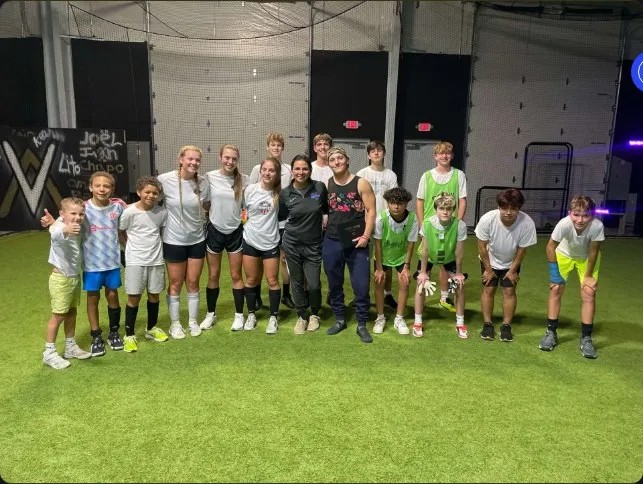
College Soccer Recruiting Coach for Grades 9–12
Trusted by parents from 25+ clubs and divisions
WHAT A RECRUITING COACH DOES
What a Recruiting Coach Does
Getting the college soccer recruitment part right is the piece nobody prepares your family for. Your athlete already has people in their corner for the game itself: a club coach, a trainer, a high school program. But the recruiting part? That usually lands squarely on you. The late-night research. The emails you’re not sure you worded right. The quiet panic that maybe you’re already behind and nobody told you. It’s a second full-time job, and no one handed you the manual.
That’s the weight a soccer recruiting coach lifts off your shoulders. We don’t replace your club coach. We take on everything that happens off the field: the outreach, the film, the timeline, the coach conversations. The part that talent alone never handles on its own.
You get a soccer recruiting mentor who knows your kid by name and sits beside your family for the whole thing. No checklist handed over on day one and a “good luck” after that.
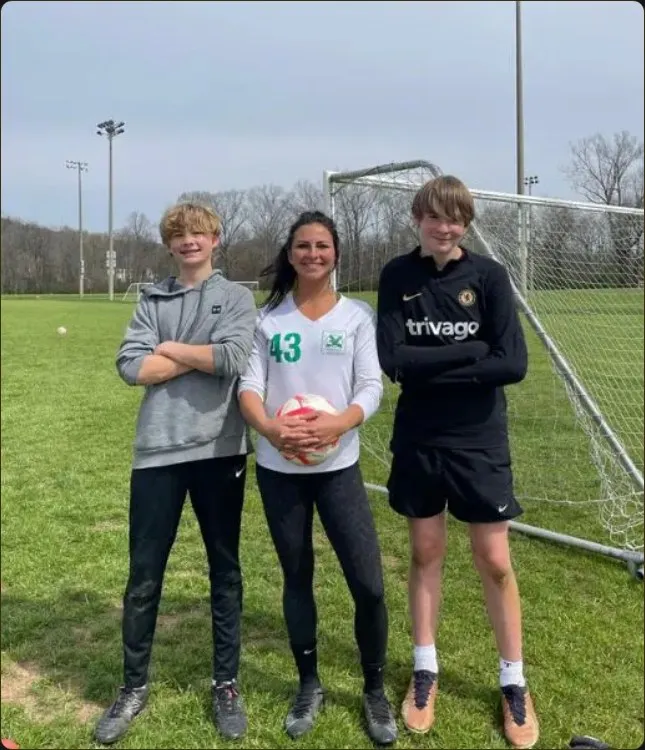
WHAT’S INCLUDED
What Our Soccer Recruiting Coaching Covers
Here’s what stops being your problem the day we start working together.
- A soccer recruiting strategy built only for your athlete: their grade, their level, their grades, their real target schools. Not a template with your kid’s name pasted on top.
- College coach outreach that gets a reply: the right coaches, the right timing, and messages that don’t vanish into an inbox like the last ten did.
- Highlight video guidance, because coaches decide in seconds. We make sure the first thing they see is the thing that makes them keep watching.
- An honest read on where your athlete fits, D1, D2, D3, NAIA, or Junior College, and where the real opportunities and real scholarship money live. Even when the honest answer isn’t the one you were hoping for.
- Weekly accountability, because recruiting rewards the family that keeps going. We keep your athlete moving every week, so momentum never quietly dies.
- Unlimited messaging support. The “wait, is this normal?” questions don’t wait for a scheduled call, so neither do we.
Learn more about the divisions at the NCAA official site.

HOW IT WORKS
How the Coaching Runs
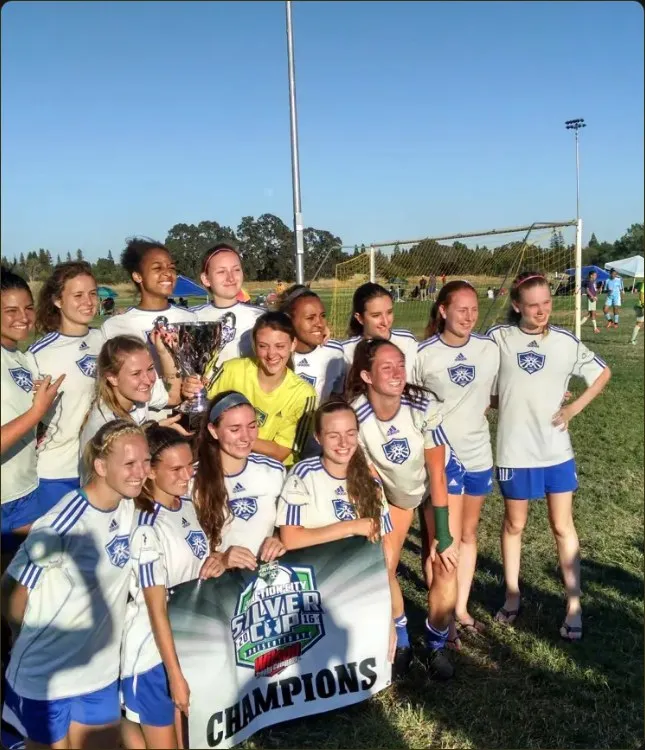
WHO IT’S FOR
Built for High School Players, Grades 9–12
This is for the athletes right in the middle of it: freshmen realizing the clock exists, and seniors feeling it run out. Club, ECNL, MLS NEXT, high school. Boys and girls. The kid who’s scared they’re behind, and the kid who’s doing everything right and wants someone to make sure it counts. If your family needs a plan now, this is where you start.
Younger player? Start with Junior Prep, the grades 5–8 foundation program, and build the habits that make recruiting far easier when the window opens.
WHY A COACH, NOT A PLATFORM
A Profile Waits to Be Found. A Coach Makes Sure Your Kid Is.
A recruiting platform hands your athlete a login and drops them into a database with thousands of other kids, then leaves the recruiting to you. That’s the exact opposite of what happens here. With a real soccer recruiting expert, your child isn’t entry number 4,000-something. They’re a kid whose position, grades, target schools, and where they got stuck last week are all held in someone’s head.
Someone who’s still picking up the phone when the process goes quiet and the doubt creeps back in. A platform gives your family a profile. A coach gives your family a person.
Our Testimonials
What They Say
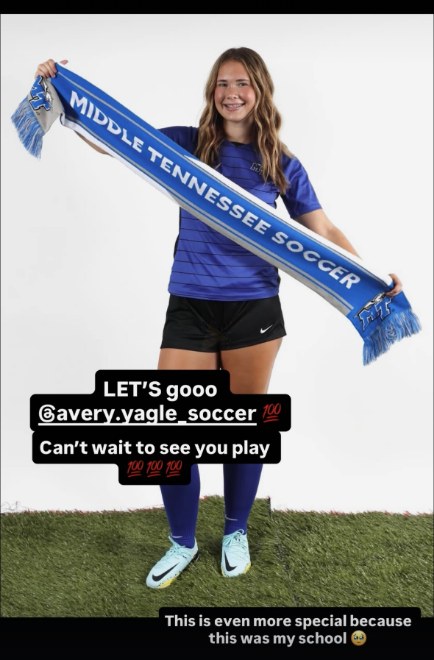
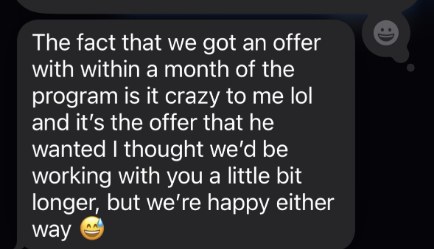
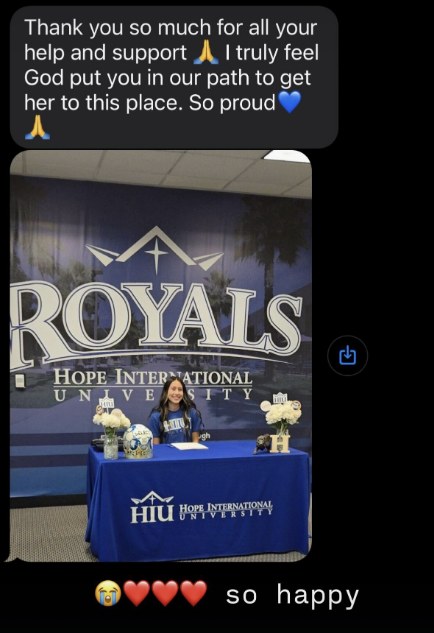
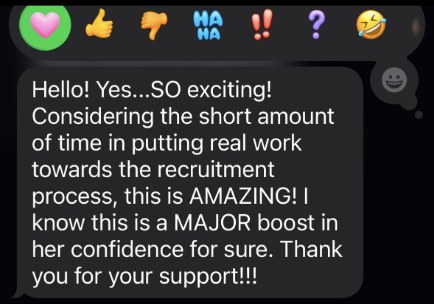
Trusted by parents from 25+ clubs and divisions.
We’ve helped over 500 athletes navigate the college recruitment process and reach the next level. 99% of athletes who complete the program secure scholarship offers, saving families thousands in tuition. Our team includes former Division I athletes, professional soccer players, and college-level coaches who’ve walked the path themselves. Families trust Push The Goal to guide athletes step by step through one of the biggest opportunities of their lives.
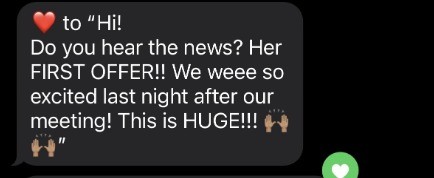
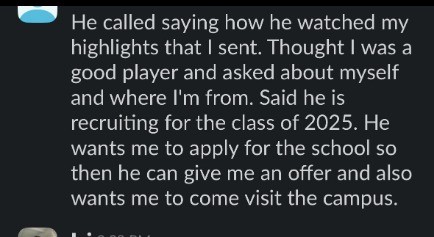
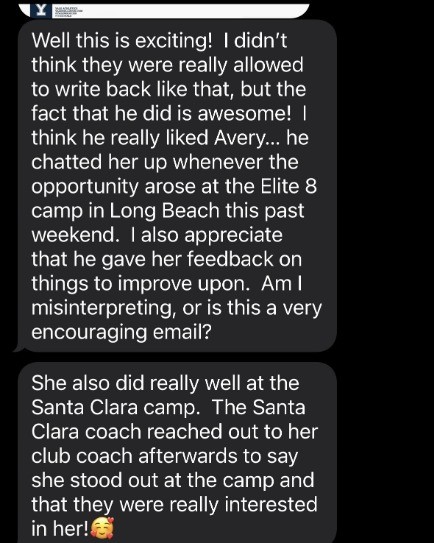
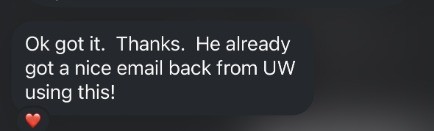
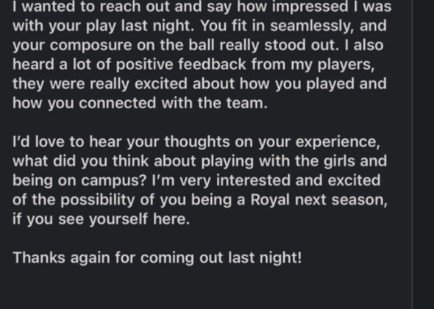

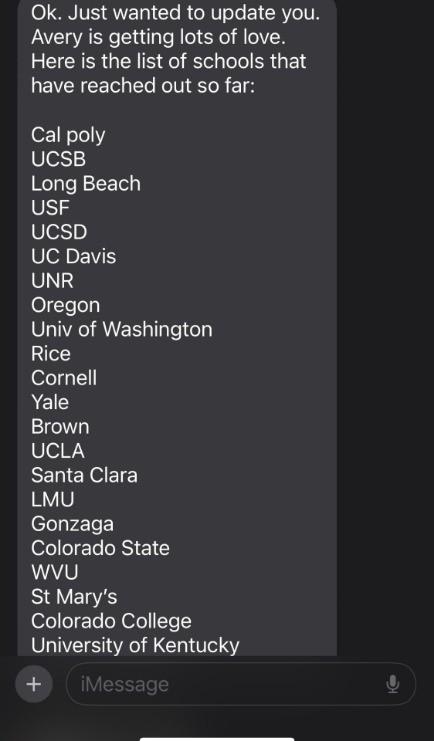
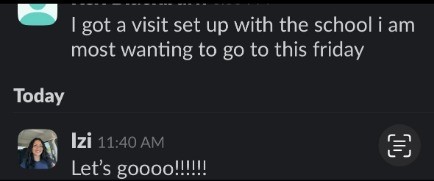
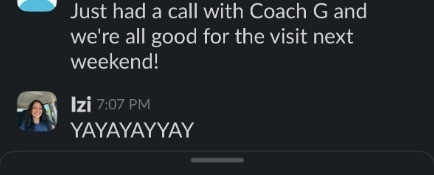
Swipe to browse. Tap any message to read it full size.
The Complete Guide to College Soccer Recruiting
Most families start this process late, and not because they were not paying attention. Nobody hands you a manual. Club coaches are busy, the rules change, and every parent at the field has different advice. This is the whole picture in one place, written for the parent. Each section links to a full article if you want the detail.
1. How college soccer recruiting works
Three things surprise most families.
Coaches recruit from film first. A college coach cannot travel to watch every athlete they are considering. Your athlete's highlight reel is the audition, and it does more work than any single game will.
Your athlete has to start the conversation. Coaches are not going to find your athlete. The families who get recruited are the ones sending emails, following up, and staying visible over months.
There are far more places to play than most families know. Division I is a small part of it. D2, D3, NAIA and junior college programs all field real teams, and several of them hand out more money to the right athlete than a D1 partial would.
The families who struggle are usually running a plan built on one level, one dream school, and the hope that being good enough will be noticed. The families who succeed run a wider search and work it consistently.
2. The recruiting timeline, grade by grade
The two questions we hear most: are we too late? and what should we be doing right now?
Freshman and sophomore year. Grades matter more than most families realize, because they decide which schools can admit your athlete at all. Start the highlight reel. Begin building a school list. Outreach can start now, earlier than most people think.
Junior year. The heaviest year. Outreach in volume, camps at target schools, and real conversations with coaches.
Senior year. Still wide open. Coaches fill rosters into spring and summer, and NAIA and junior college programs recruit later still. An athlete with no offers in December is not out of options.
Read more
3. Where your athlete can play: D1, D2, D3, NAIA and JUCO
"D1 or nothing" costs families more opportunities than anything else in recruiting.
Division I is the smallest and most competitive tier, and athletic money is usually partial rather than full.
Division II offers athletic scholarships with a more balanced schedule.
Division III offers no athletic money at all, and often ends up cheaper than a state school once academic and need-based aid land. Worth looking at properly rather than crossing off on price.
NAIA is a separate association with hundreds of schools, real scholarships, and lighter recruiting rules, which means coaches can talk to your athlete sooner and tend to answer faster.
Junior college gives an athlete two years to develop and be seen, then transfer with college film behind them. It is the route Izi took to Division I.
4. Getting On A Coach's Radar
Coaches are not coming to your athlete's games to find them. They come because somebody told them to.
The email does the work. Grad year, position, club and high school, GPA, and a film link. Say why that specific program. Send it from your athlete's address, in their name, not a parent's.
Follow up more than feels comfortable. Replies commonly arrive on the third or fourth attempt, after most families have given up. That persistence is what separates your athlete from the hundred identical emails in the same inbox.
Tell coaches where to find you before an event. Team, field number, jersey number, and times. A coach with twenty minutes and no field number goes to a game they can find.
Read more
5. The highlight video
The single most important asset in recruiting, and the one most families get wrong.
Eight to ten clips is enough for a first reel. Cut tight, starting right as the play begins. Mark your athlete in the opening seconds with a circle or arrow, so a coach is never guessing which player to watch. Strongest clips first, because most coaches decide in the opening thirty seconds. Include technical and training clips, not only goals.
A phone and a free editing app are enough. Nobody has ever been turned down over camera quality.
6. How the money works
Most families chase the athletic scholarship and discover late that the biggest number in the offer letter came from the admissions office.
Soccer money is usually split into partial awards across a roster, so full rides are rare. The number that matters is what your family pays after everything: athletic aid, academic aid, need-based aid, and outside scholarships together.
This is why grades function as a recruiting asset. An athlete who brings academic money costs a coach less of their limited athletic budget, which makes that athlete easier to sign. Coaches will tell you this directly.
Read more
7. Where families waste money
ID camps at schools already on your athlete's list are the highest-return spend in most budgets. Hours of direct evaluation by the staff who could recruit them.
Camps chosen for the brand name are a nice experience and not a recruiting strategy.
Showcases where nobody was told your athlete was coming are expensive tournaments. The outreach beforehand is what fills the sideline, not the entry fee.
Services that blast a profile to hundreds of coaches get treated like any mass email. Coaches respond to a specific message from an athlete who knows their program, and your athlete can send that for free.
Read more
8. Real families, real outcomes
A junior we worked with went from around nine college coaches at one showcase game to around twenty-five at the next. Same player, same level. The difference was the emails sent before the second event.
One athlete sent a personal video introduction after months of standard emails produced nothing, and got a substantive reply from a major Division I program within days.
Another was pulled from a high-exposure camp by an injury and was ready to quit. We rebuilt the plan around fall camps, kept her in front of coaches through the rehab, and she came back with interest from multiple programs including a nationally known one.
9. Why Izi
Izi Murray played two years of junior college soccer, transferred to Division I, and came back from five knee surgeries to finish her career. Nobody gave her good odds.
She has been the athlete nobody was recruiting, the one starting over at a new level, and the one fighting back from an injury that could have ended it. That is why the advice here is honest rather than encouraging for its own sake, and why she will tell a family when a plan is not working.
She founded Push The Goal to give soccer families the guidance she wishes someone had given her.
FREQUENTLY ASKED QUESTIONS
Common Questions About College Soccer Recruiting
When should my athlete start the recruiting process?
Earlier than most families think. Freshman and sophomore year are for grades, first film, and building a school list. Outreach can begin well before junior year.
Is my athlete too late if they are already a junior or senior?
No. Coaches fill rosters into the spring and summer, and NAIA and junior college programs recruit later still. Late is hard, not impossible.
How many schools should my athlete contact?
Far more than most families expect. A list of fifty to a hundred across several levels is normal, because a program can love your athlete and still have no room at their position that year.
Do we need to play ECNL or MLS Next to get recruited?
No. Those leagues bring exposure your athlete would otherwise create themselves with film, emails and camps. Plenty of recruited athletes come from smaller clubs.
How much do college soccer scholarships cover?
Soccer money is usually divided into partial awards, so full rides are rare. Most families reach an affordable number by combining athletic, academic and need-based aid.
What do college coaches look for besides skill?
Decision making, work rate off the ball, how an athlete responds to a mistake, how they talk to teammates and referees, and their grades.
Why are coaches not responding to my athlete's emails?
Usually because the position is filled, they are mid-season, or the email was buried. Replies commonly come on the third or fourth follow-up.
Your Athlete Has Already Done the Hard Part
The early mornings, the two-a-days, the long seasons: that work is already done. Don't let the one part nobody taught your family, the recruiting part, get in the way of what your athlete has earned. Let's build the plan together, and make sure the right coaches see what you already know.